Short answer: a low-maintenance Arizona yard is rock or decomposed granite (DG), a few tough native plants spaced for their full size, and drip irrigation on a smart controller. Add weed control and skip the hedge trimmer, and the yard needs only a few hours of care each season.
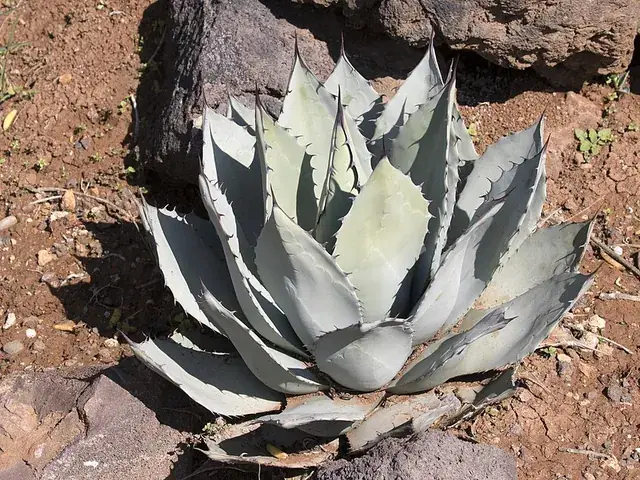
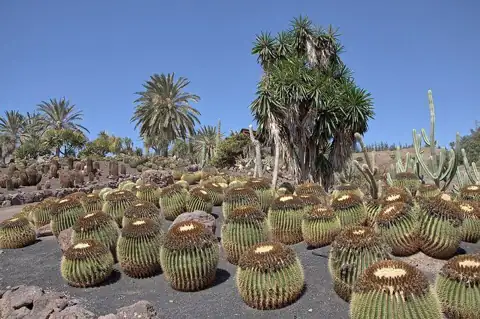
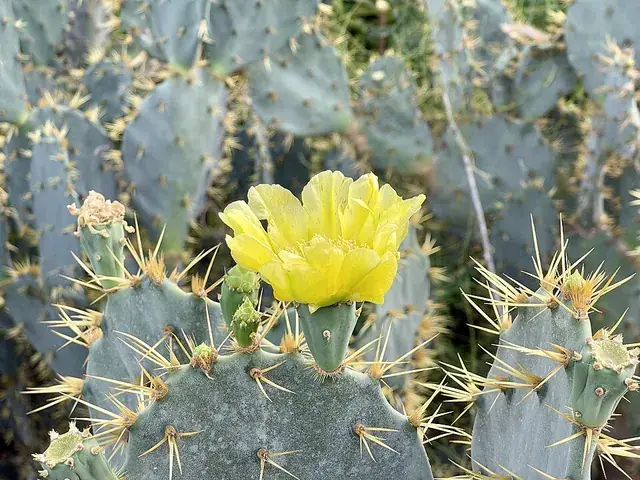
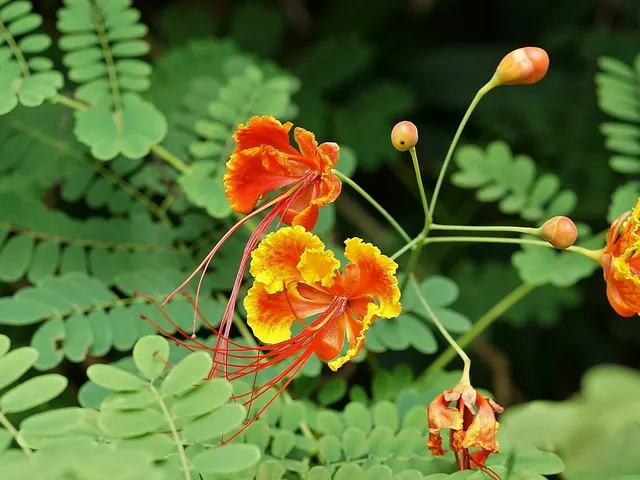
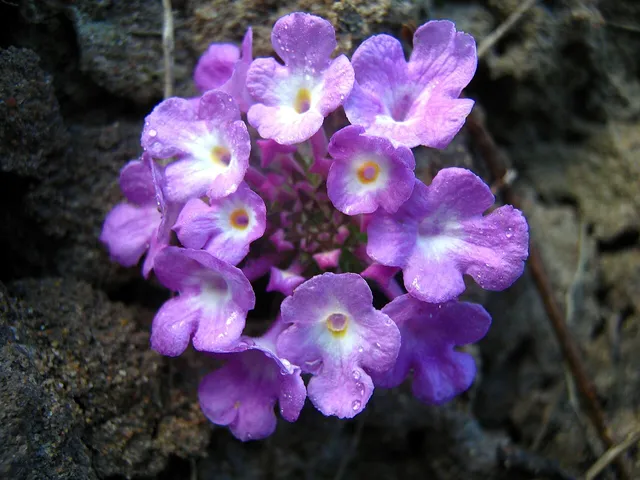
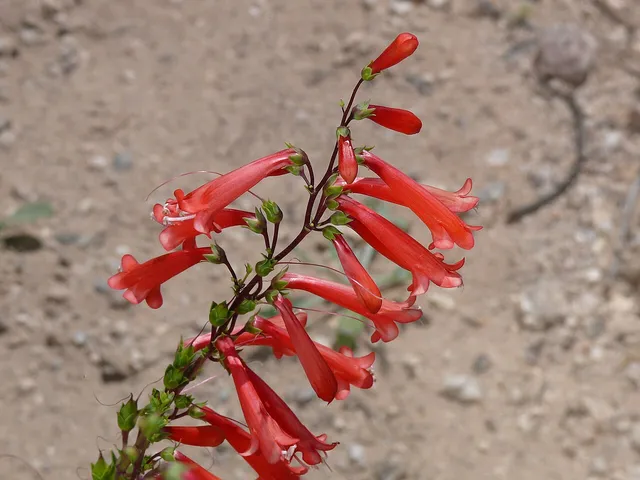
Photos via Wikimedia Commons: agave by Zeynel Cebeci (CC BY-SA 4.0); golden barrel by Llez (CC BY-SA 3.0); prickly pear by Fawaz.tairou (CC BY-SA 4.0); red bird of paradise by Prenn (CC BY-SA 3.0); lantana by Elucidate (CC BY 3.0); penstemon by Sue in az (CC BY 3.0). Cropped and resized.
9 ways to make an Arizona yard low-maintenance
1. Replace grass with rock or DG
No mowing, no overseeding, much less water. Many cities pay grass removal rebates; apply before you start. Compare DG vs. rock.
2. Lay weed barrier the right way
A pre-emergent weed treatment in fall and late winter stops most weeds before they sprout. Many pros skip plastic sheeting because it blocks water and air; ask your landscaper what they recommend.
3. Choose native and desert-adapted plants
Agave, prickly pear, golden barrel, red bird of paradise, lantana and penstemon all handle heat with little care. See desert plants that thrive in Arizona.
4. Space plants for their full size
Crowded plants are why yards need constant trimming. Leave room for each plant's mature width.
5. Stop shearing shrubs into balls
Shearing means more trimming, more water and more frost damage. Let shrubs keep their natural shape and prune lightly once a year.
6. Put everything on drip
Drip waters roots, not weeds. Group plants with similar water needs on the same valve. See drip vs. sprinklers.
7. Use a smart controller and change it each season
Plants can need 3 to 5 times more water in summer than in winter. A smart controller, or a reminder to change the timer each season, saves water and plants. Our monthly to-do list tells you when.
8. Keep messy trees away from pools and patios
Choose and place trees with litter in mind. See the best trees for Arizona yards.
9. Consider artificial turf for small play areas
If kids or dogs need a green spot, a small patch of turf has no mowing or watering. Read artificial turf vs. real grass and turf cost first.
A simple low-maintenance yard calendar
- Spring: check drip lines and emitters, turn the timer up as it warms, light pruning after bloom.
- Summer: watch for drip leaks and stressed plants; most watering changes happen now.
- Fall: best planting season, pre-emergent weed treatment, turn the timer down.
- Winter: water least, protect frost-tender plants, check irrigation for leaks.
Rather hire it out?
Every contractor on Dry Heat Yards has an active Arizona ROC license, checked monthly. Call them directly.
Find xeriscape prosFAQ
What is the lowest maintenance landscaping in Arizona?
Rock or decomposed granite with a few native, well-spaced plants on drip irrigation and a smart controller.
How do I keep weeds out of rock landscaping?
Apply a pre-emergent weed treatment in fall and late winter, and pull or spot-treat any weeds while they are small.
Which plants need the least care in Arizona?
Agave, prickly pear, golden barrel and other native cacti and succulents need almost no care once established.
Keep planning
Sources
- AMWUA: Landscape Plants for the Arizona Desert
- Water Use It Wisely (AMWUA): winter watering tips
- City of Peoria Water Conservation
Sizes are typical mature ranges and vary by variety, water and site. Ask a local nursery or your landscaper what suits your yard.